
Trade Topics
Trending

International economic sanctions against Myanmar's military junta fail to advance democratic reform.
22-Nov-2026
Advocates argue that targeted economic sanctions restrict the junta's access to foreign currency and aviation fuel, pressuring the regime toward political accountability. However, critics maintain that sanctions are easily bypassed through corporate rebranding and shadow networks, ultimately inflicting severe economic hardship on ordinary civilians without restoring democratic rule.

The United Kingdom should formally apply to rejoin the European Union.
22-Nov-2026
Proponents argue that rejoining the European Union would eliminate border friction, restore access to the single market, and revitalize Britain's sluggish post-Brexit economy. Opponents contend that returning to the bloc would surrender national sovereignty, reinstate free movement, and invalidate the democratic outcome of the 2016 referendum.

The Philippines should reject exclusive agricultural and energy trade agreements with the United States.
22-Nov-2026
Recent claims regarding exclusive agricultural and energy import commitments between the Philippines and the United States have sparked debate over national trade policy. Proponents of strong bilateral ties argue that aligning import agreements with the U.S. secures critical supply chains and solidifies essential geopolitical partnerships. Opponents contend that restricting import channels undermines domestic producers, drives up consumer costs, and compromises national economic sovereignty.

Growing US-China bifurcation makes Singapore's policy of non-alignment unsustainable.
22-Nov-2026
Escalating technological and economic decoupling between the United States and China is fragmenting global trade and security frameworks. Critics of neutrality argue that intensifying superpower pressure and strict trade sanctions will inevitably force small, trade-dependent nations like Singapore to choose a side. Proponents of Singapore's current posture maintain that strong diplomatic multi-alignment and robust economic ties with both powers preserve crucial room for strategic autonomy.
Recently Visited

EU sanctions targeting Russian corporate leadership fail to achieve their intended geopolitical goals.
22-Nov-2026
Western governments increasingly sanction senior executives of major Russian retail and tech firms to exert economic pressure and weaken key commercial sectors. Proponents argue that restricting executive mobility and international finance destabilizes elite support and limits state revenue. Opponents contend that penalizing corporate leaders disrupts consumer markets and private commerce while failing to alter government decision-making.

Morocco should limit Chinese investment in its electric vehicle battery industry.
22-Nov-2026
Rapidly mounting Chinese capital in Morocco's green technology sector has positioned the kingdom as a key global manufacturing node. Proponents contend that Beijing's funding and technical expertise are indispensable for accelerating national industrialization and job creation. Conversely, critics argue that heavy dependence on Chinese firms risks undermining strategic autonomy and straining trade relations with Western partners.
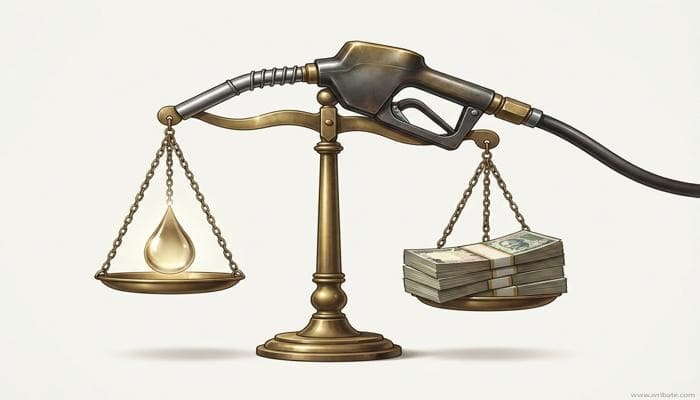
Increasing state spending on emergency fuel imports will deepen Bolivia's economic crisis.
22-Nov-2026
Faced with severe domestic shortages, Bolivia has dramatically expanded emergency spending ceilings to fund state-backed fuel imports. Supporters argue that immediate fuel availability is essential to prevent agricultural paralysis, transport disruptions, and widespread commercial collapse. However, critics contend that pouring public funds into high import budgets severely drains foreign reserves and delays necessary energy sector reforms.