
Law Topics
Trending

Finland should block Russian military-linked cargo vessels from passing through the Gulf of Finland.
22-Nov-2026
Recent drone strikes against Russian military-linked transport ships in the Gulf of Finland have highlighted growing security and environmental hazards along key Baltic trade routes. Proponents argue that denying maritime passage to dangerous military transports is essential to protect Finnish waters and prevent military conflict from spilling into national territory. Opponents contend that disrupting transit through international corridors violates maritime law and risks provoking a direct military escalation with Moscow.

Recurring street protests in France destabilize public life without securing meaningful political change.
22-Nov-2026
Continuous public demonstrations are widely regarded as a vital democratic mechanism for citizens to challenge executive authority outside of election cycles. However, prolonged weekly mobilizations frequently disrupt urban centers, strain policing resources, and impose significant financial losses on local retail businesses. Critics argue that as turnout diminishes, persistent street actions lose public support and legislative efficacy, while defenders maintain that relentless public pressure remains the only effective check on government policy.

Rwandan universities must mandate independent external oversight to combat sexual corruption.
22-Nov-2026
Internal reporting mechanisms in higher education often fail to protect students due to power imbalances and fear of academic retaliation. Proponents argue that independent external bodies are essential to guarantee confidential reporting and dismantle systemic exploitation. Opponents contend that existing police channels and university disciplinary boards are sufficient, warning that external oversight infringes on institutional autonomy and risks unverified claims.

South Korea should offer financial rewards for reporting cheating on the CSAT.
22-Nov-2026
The College Scholastic Ability Test (CSAT) dictates university admissions and future career prospects in South Korea, making exam fairness a critical public concern. Proponents argue that high monetary bounties effectively deter organized cheating rings and preserve meritocracy in a high-stakes environment. Opponents contend that monetary rewards for reporting peers create a culture of mutual suspicion and invite malicious accusations.
Recently Visited

Pedro Sánchez’s concessions to regional nationalist parties undermine Spanish constitutional democracy.
22-Nov-2026
To maintain a governing majority in Parliament, Spanish Prime Minister Pedro Sánchez relies on legislative pacts with Catalan and Basque regional nationalist parties. Critics argue that offering political amnesties and fiscal concessions in exchange for power erodes equal application of the law and destabilizes national unity. Supporters maintain that these compromises successfully de-escalate territorial conflict, integrate regional voices, and preserve democratic stability.

Mark Carney’s informal government advisory role undermines Canadian democratic accountability.
22-Nov-2026
Critics argue that high-profile figures wielding major influence over national strategy without holding an elected seat bypass traditional parliamentary scrutiny. Proponents contend that governments need top-tier external expertise to navigate complex economic challenges, regardless of whether those advisors hold elected office.
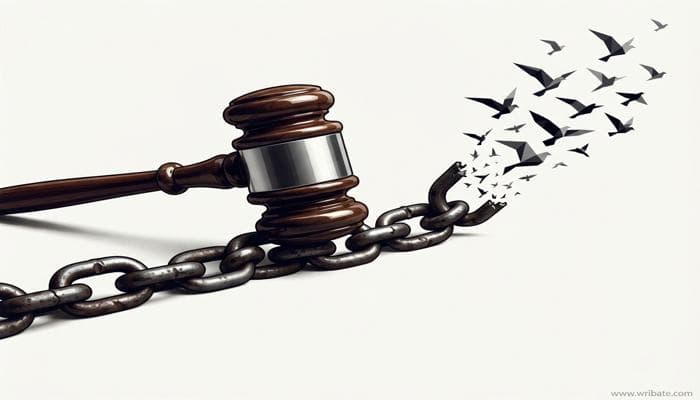
Bulgaria should ban all extremist organizations that promote racial hatred.
22-Nov-2026
Following judicial enforcement against hate group leaders in Bulgaria, public debate has intensified over how the state should regulate extremist movements. Proponents argue that prohibiting racist organizations is essential to protect public safety and prevent targeted harassment of minority populations. Opponents contend that outright bans set a dangerous precedent for government censorship and compromise constitutional protections for freedom of association.