
Geopolitics Topics
Trending
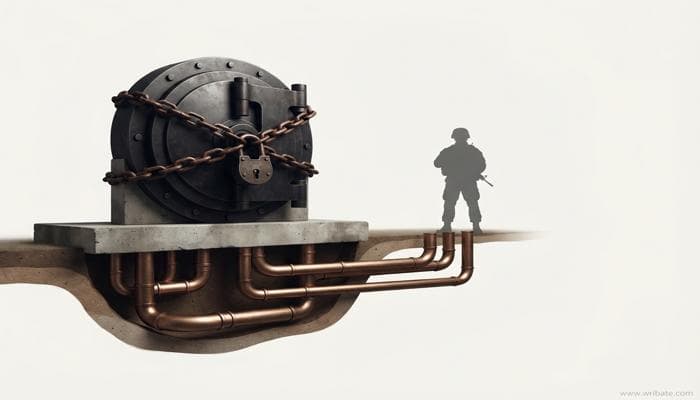
International economic sanctions against Myanmar's military junta fail to advance democratic reform.
22-Nov-2026
Advocates argue that targeted economic sanctions restrict the junta's access to foreign currency and aviation fuel, pressuring the regime toward political accountability. However, critics maintain that sanctions are easily bypassed through corporate rebranding and shadow networks, ultimately inflicting severe economic hardship on ordinary civilians without restoring democratic rule.

EU sanctions targeting Russian corporate leadership fail to achieve their intended geopolitical goals.
22-Nov-2026
Western governments increasingly sanction senior executives of major Russian retail and tech firms to exert economic pressure and weaken key commercial sectors. Proponents argue that restricting executive mobility and international finance destabilizes elite support and limits state revenue. Opponents contend that penalizing corporate leaders disrupts consumer markets and private commerce while failing to alter government decision-making.

The UN Security Council should grant permanent seats to nations from the Global South.
22-Nov-2026
Global institutions established after World War II reflect a power dynamic that critics say excludes billions of people in developing countries from critical decisions. Proponents argue that expanding leadership councils rectifies historical inequities and restores credibility to international governance. However, skeptics contend that enlarging elite decision-making bodies risks procedural paralysis and sparks intense regional rivalries over candidate selection.

China’s youth cultural exchanges in Algeria serve as tools of foreign political influence.
22-Nov-2026
The appointment of youth ambassadors highlights the growing soft-power ties between North Africa and Beijing. Proponents view state-backed cultural and educational exchanges as vital mechanisms for broadening global opportunities and strengthening international partnerships. Critics counter that such initiatives function primarily as public diplomacy tools designed to cultivate political alignment and shape local sentiment.
Recently Visited
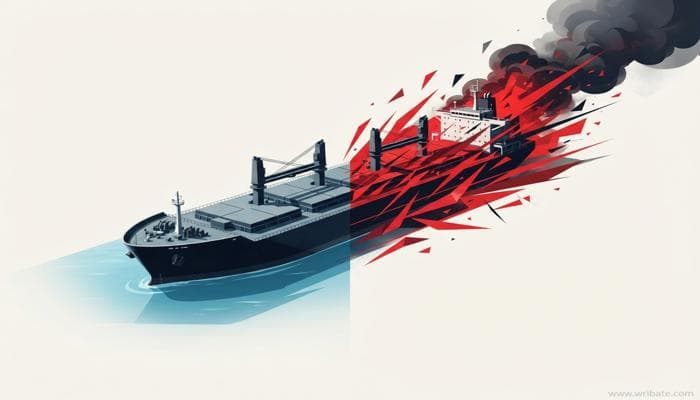
Finland should block Russian military-linked cargo vessels from passing through the Gulf of Finland.
22-Nov-2026
Recent drone strikes against Russian military-linked transport ships in the Gulf of Finland have highlighted growing security and environmental hazards along key Baltic trade routes. Proponents argue that denying maritime passage to dangerous military transports is essential to protect Finnish waters and prevent military conflict from spilling into national territory. Opponents contend that disrupting transit through international corridors violates maritime law and risks provoking a direct military escalation with Moscow.

Iraq should fully integrate the Popular Mobilization Forces into the federal armed forces.
22-Nov-2026
The Popular Mobilization Forces play a crucial role in Iraq's national defense but operate with substantial operational autonomy alongside regular state troops. Proponents argue that full integration into the federal military structure is necessary to enforce state sovereignty and eliminate competing chains of command. Opponents contend that preserving the group's distinct command structure is vital for community defense and regional security balance.

Growing US-China bifurcation makes Singapore's policy of non-alignment unsustainable.
22-Nov-2026
Escalating technological and economic decoupling between the United States and China is fragmenting global trade and security frameworks. Critics of neutrality argue that intensifying superpower pressure and strict trade sanctions will inevitably force small, trade-dependent nations like Singapore to choose a side. Proponents of Singapore's current posture maintain that strong diplomatic multi-alignment and robust economic ties with both powers preserve crucial room for strategic autonomy.