
Energy Topics
Trending

Kazakhstan should prioritize international green energy investments over its domestic fossil fuel sector.
22-Nov-2026
As Kazakhstan secures billions in foreign climate financing at international summits, debates are intensifying over the nation's economic roadmap. Advocates argue that attracting global capital for renewable projects is essential to modernize national infrastructure, meet carbon targets, and reduce long-term reliance on oil. Opponents contend that prioritizing international green funding risks destabilizing the conventional energy industries that currently provide national economic security.
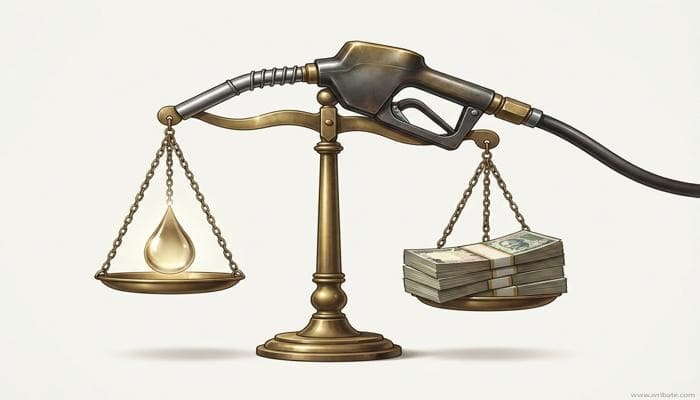
Increasing state spending on emergency fuel imports will deepen Bolivia's economic crisis.
22-Nov-2026
Faced with severe domestic shortages, Bolivia has dramatically expanded emergency spending ceilings to fund state-backed fuel imports. Supporters argue that immediate fuel availability is essential to prevent agricultural paralysis, transport disruptions, and widespread commercial collapse. However, critics contend that pouring public funds into high import budgets severely drains foreign reserves and delays necessary energy sector reforms.

DR Congo should leverage its critical minerals for a strategic US alliance.
21-Nov-2026
As global competition over green energy supply chains intensifies, the Democratic Republic of Congo holds unmatched reserves of cobalt and other strategic minerals. Proponents argue that formalizing deep mining ties with the United States attracts vital Western capital and counterbalances existing foreign dominance over national assets. Opponents contend that aligning closely with Washington risks entangling internal Congolese governance in superpower rivalries while failing to ensure local economic development.

The Philippines should reject exclusive agricultural and energy trade agreements with the United States.
22-Nov-2026
Recent claims regarding exclusive agricultural and energy import commitments between the Philippines and the United States have sparked debate over national trade policy. Proponents of strong bilateral ties argue that aligning import agreements with the U.S. secures critical supply chains and solidifies essential geopolitical partnerships. Opponents contend that restricting import channels undermines domestic producers, drives up consumer costs, and compromises national economic sovereignty.
Recently Visited
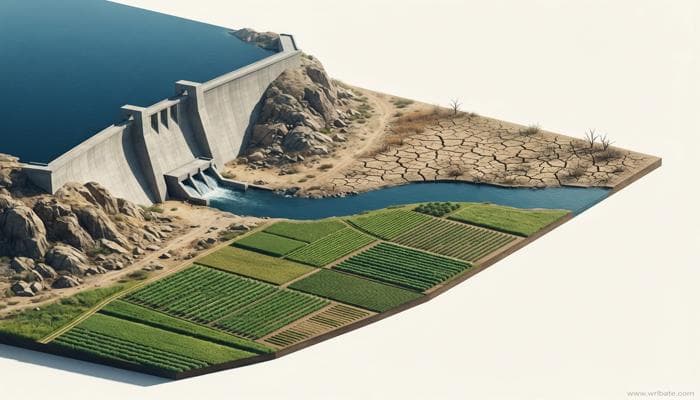
Tajikistan's Rogun Hydropower Plant poses an unacceptable threat to Uzbekistan's water security.
22-Nov-2026
Tajikistan's mega-hydroelectric project promises regional clean energy independence, but downstream Uzbekistan fears disruptions to its essential agricultural water supply. Opponents warn that filling and operating the massive reservoir risks severe seasonal droughts and economic damage across Uzbek farmland. Supporters contend that updated regional flow-sharing agreements and coordinated releases can ensure both energy generation and stable downstream irrigation.

Deepening economic ties with Western Europe compromises Qatar's geopolitical neutrality.
22-Nov-2026
Following state visits and expanded long-term energy agreements with European partners like Germany, Qatar has increasingly strengthened its economic and strategic alignment with the West. Proponents argue these high-value industrial and energy commitments secure long-term revenue while solidifying Qatar's standing as an indispensable international power. However, critics warn that binding long-term commercial ties to Western economies risk entangling the state in European political disputes and eroding its non-aligned diplomatic role.
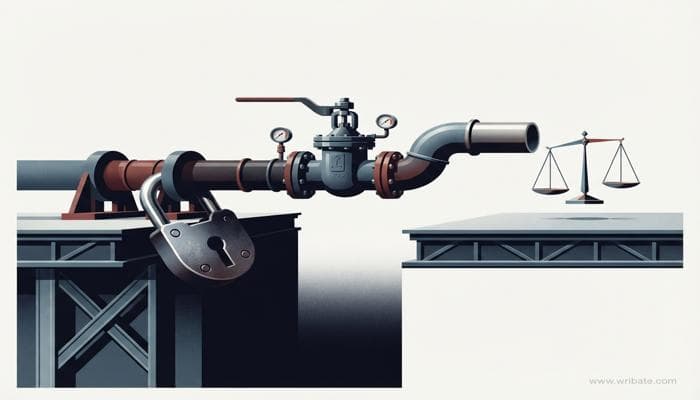
Canada should make energy concessions to secure a favorable trade agreement with the US.
21-Nov-2026
Bilateral trade negotiations between Ottawa and Washington often pivot on critical cross-border energy projects and resource exports. Proponents argue that utilizing Canada's vast oil and gas assets provides essential leverage to shield the national economy from broader import tariffs. Opponents contend that compromising domestic environmental policy or infrastructure oversight under American pressure damages sovereign self-determination and fails to guarantee long-term economic stability.