Wribate
Open 2026
Think Better. Write Better. Debate Better.
An international online written debating competition where ideas compete on merit—not on who speaks the loudest. Students worldwide research, reason, and write their way through structured, evidence-based debate.

- Format
- Online, asynchronous
- Eligibility
- Students worldwide
- Entry
- $2 (participants) · Free (judges)
- Language
- English
- Allocation
- Random topic & side
- Awarded
- Certificates & honours
The Wribate Open brings together students from colleges and universities to debate today’s most important issues through reasoned arguments, evidence, and respectful disagreement.
Unlike traditional debates that reward speaking speed, Wribate rewards thoughtful analysis, structured writing, and persuasive reasoning.
Participants compete asynchronously—free to research, think critically, and submit well-crafted arguments from anywhere in the world.
One topic. One side. One opponent.
Every wribate hands you the essentials—then you argue across three focused written rounds. Each participant plays two qualifying wribates; the Top 16 break into the knockout rounds.
ALL SUBMISSIONS ARE MADE ONLINE ON WRIBATE PLATFORM.
Two wribates for everyone. Then the bracket.
Every participant plays two full qualifying wribates before anyone is cut—then the Top 16 battle through a seeded knockout to the Grand Final.
How arguments are weighed.
Every debate is scored by a panel of judges appointed by Wribate, against six criteria.
The road to the glory.
Mark your calendar — here’s how the season unfolds.
ALL DEADLINES/ TIMELINES ARE STATED IN UTC BASIS.
DATES ARE SUBJECT TO CHANGE — ANY REVISION WILL BE ANNOUNCED ON THIS PAGE.
Honours for the finest minds.
Selected from the Honour Roll across the whole competition—podium winners excluded, so honours reach more participants.
Every eligible participant receives a digital Certificate of Participation. Higher honours follow the ladder—Honour Roll (Top 100), Top 16, Quarterfinalists, Semifinalists, winners, and special award recipients.
JUDGING IS ANONYMISED · EVERY DEBATE IS SCORED ON THE SAME SIX CRITERIA · JURY DECISIONS ARE FINAL.
Skills that outlast the competition.
Beyond the Podium
Beyond Spoken Debate: The Power of the Written Word

For centuries, spoken debate has been romantically enshrined as the pinnacle of intellectual combat. We picture towering podiums, rapid-fire rebuttals, devastatingly witty retorts, and the audience’s rapturous applause. From university halls to televised political showdowns, spoken debate has been treated as the ultimate crucible for truth.
But beneath this grand tradition lies a quiet, structural flaw.
Spoken debate, by its very nature, is a performance. It privileges neurological reflexes over deep reflection, and charisma over factual accuracy. If we are to improve civic discourse, build character, and move beyond the superficial, hostile noise of the modern era, we must rethink how we disagree—looking beyond the performative arena toward the rigorous, thoughtful architecture of writing-based debate.
We at Wribate™ are pioneering this shift, proving that when we change the modality of argument, we elevate the quality of both thought and character. Here is why the future of critical thinking belongs to the written word.
The Illusion of the Spoken Arena
To understand the need for writing-based debate, we must closely examine the cognitive and psychological limitations of arguing out loud.
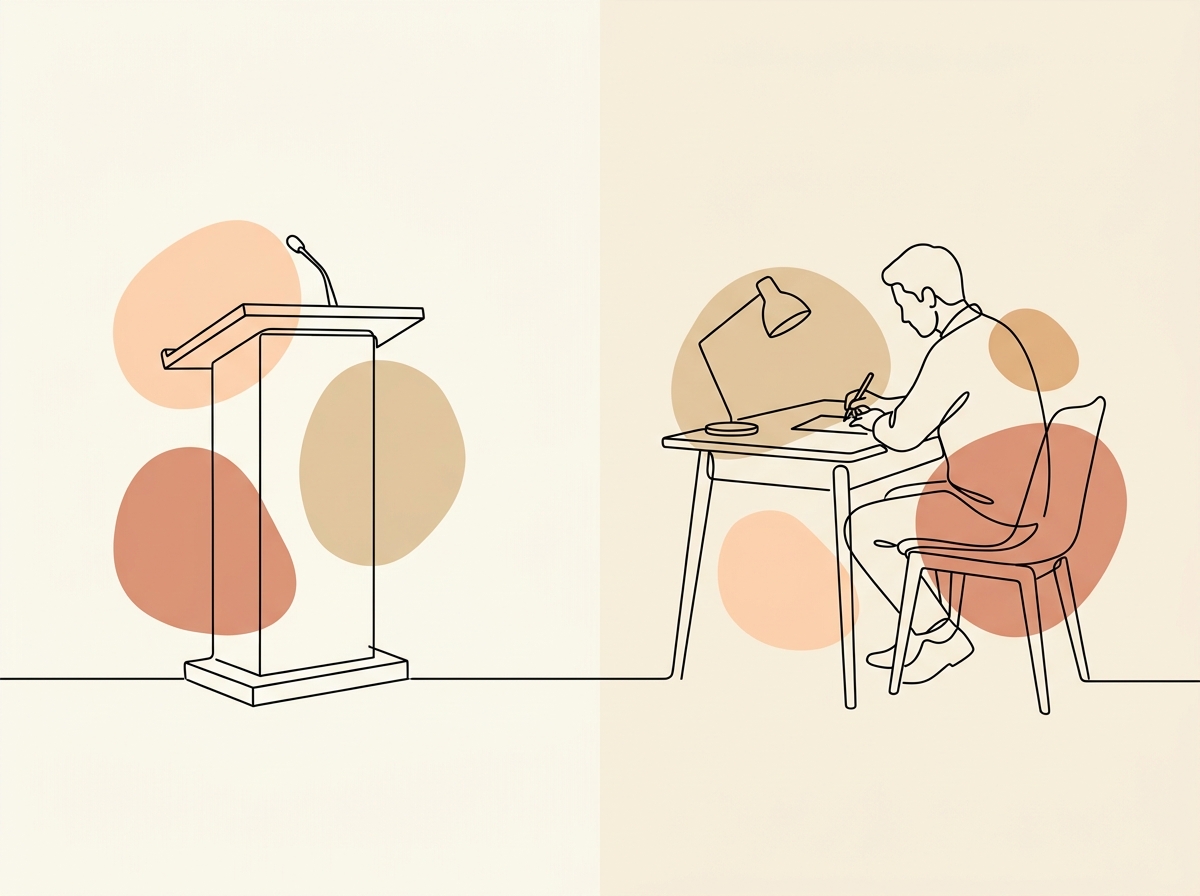
In a synchronous, spoken debate, human psychology is easily hijacked by the gimmickry, rhetoric, and delivery of a message rather than its substance. A modulated voice, an unyielding posture, and a steady cadence can make a terrible argument sound incredibly convincing. Spoken debate routinely rewards the confident extrovert while penalizing the introverted or neurodivergent thinker who may hold a profound idea in a less aggressively delivered form.
The brain’s working memory is limited. In a live debate, a person must process a claim, fact-check it from memory, formulate a counter-argument, and monitor their own body language—all in seconds. That vulnerability gave rise to the “Gish Gallop,” where a debater overwhelms an opponent with a rapid succession of half-truths that can only be forensically examined after the debate is already “won.” Because it is impossible to fact-check in real time, the loudest and fastest speaker appears to win.
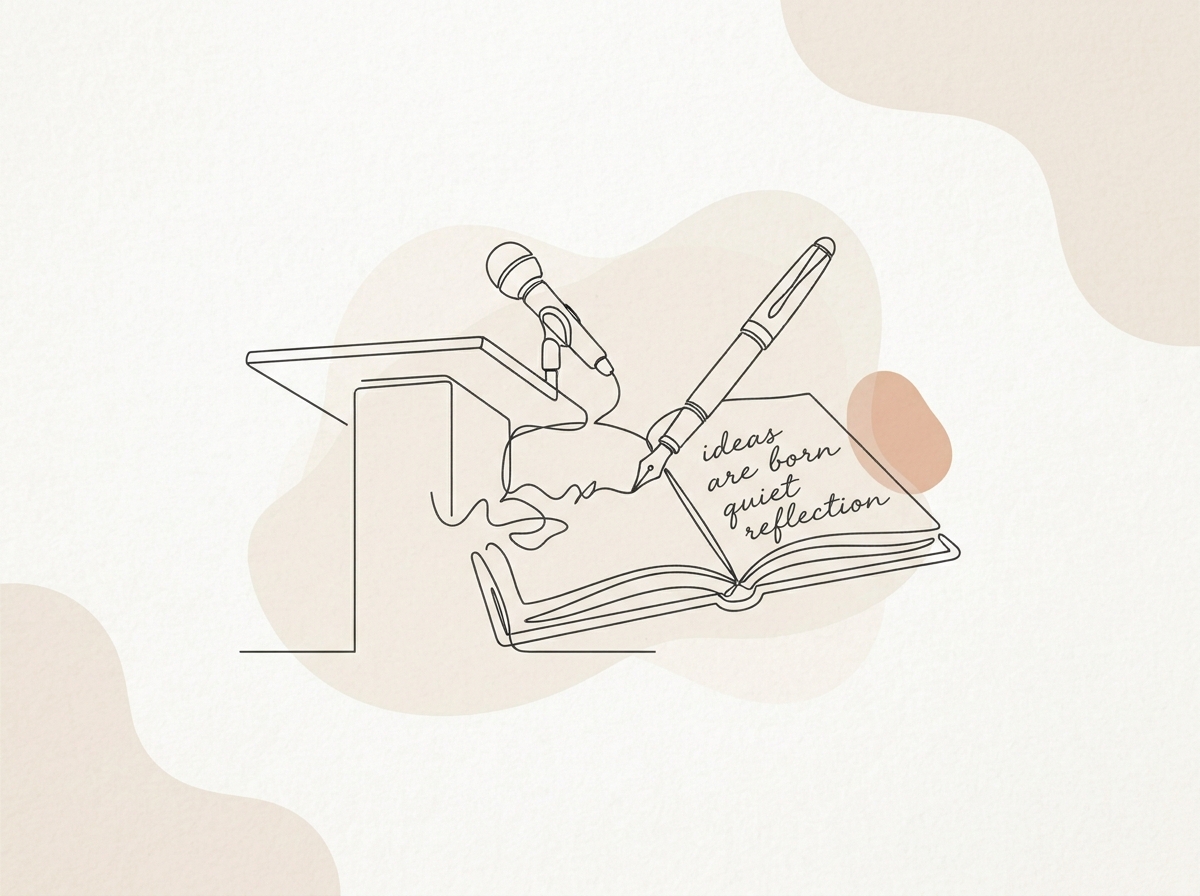
When an audience is watching, a biological “fight-or-flight” response is triggered. The goal ceases to be a mutual search for truth; it becomes a battle for social approval. Acknowledging a flaw in your own argument feels like public humiliation, so participants dig in—prioritizing defensive posturing over intellectual honesty.
Shifting the battleground from the spoken word to the written page strips away the theatrics—transforming debate from a sport of reflexes into a true battle of ideas.
The Architecture of the Written Debate
Writing turns debate into a discipline of humility and empathy—and a space with immense scope for strategic tactfulness.

Written debate is the great equalizer. When arguments are bound to text, the biases of physical presence, vocal volume, and stage charisma evaporate. The quiet scholar, the meticulous researcher, and the thoughtful observer are given the exact same weight as the loudest person in the room. The argument must stand entirely on its own structural integrity.
Writing forces the brain to slow down. An asynchronous debate affords the “Power of the Pause”—time to research, verify statistics, identify logical fallacies, and refine prose. This shifts the cognitive load from reaction to metacognition: the act of thinking about your own thinking. Ideas are not blurted out; they are carefully constructed.
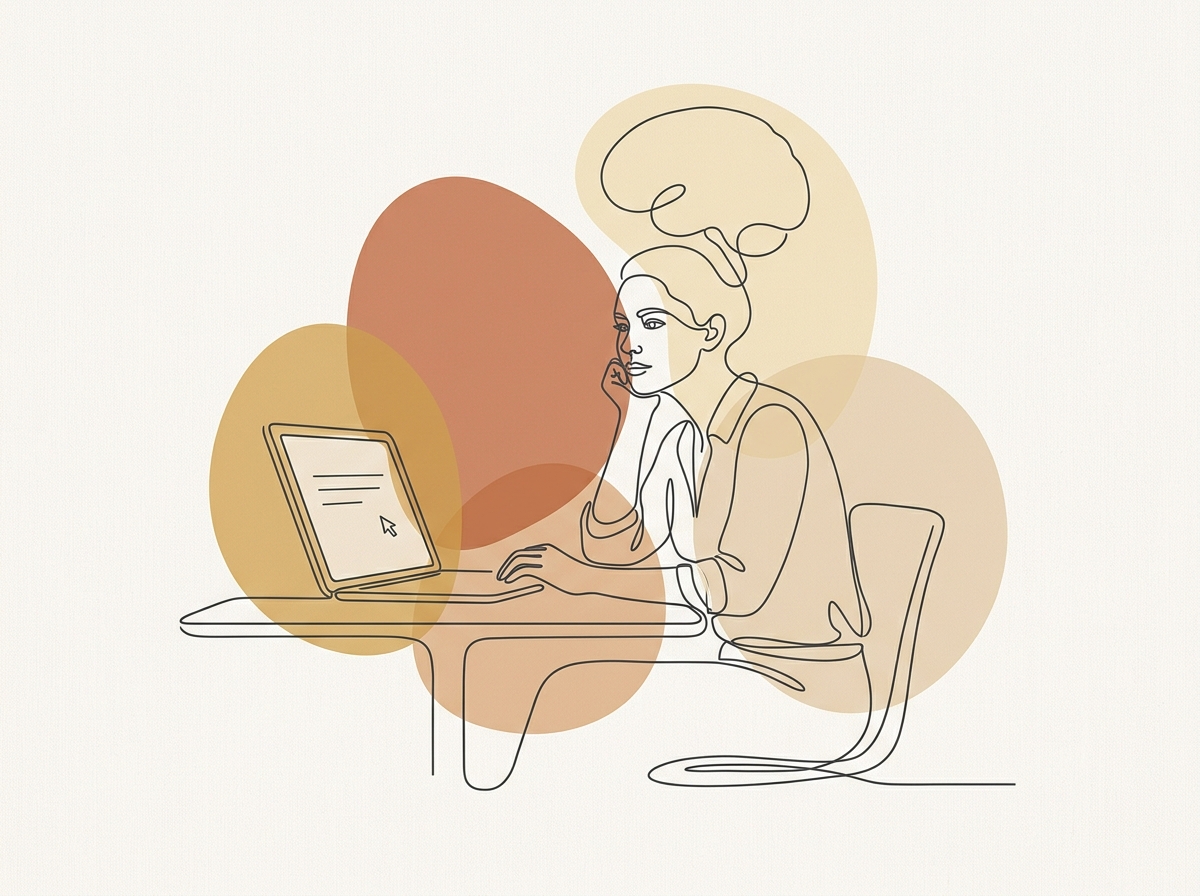
Reading an opponent’s argument on a screen removes the physical finger pointed at you; the visceral rush of anger is mitigated. And to draft a compelling counterargument, you must first read and digest your opponent’s perspective—you cannot write a brilliant response without understanding their premise. This forced engagement inherently builds cognitive empathy.
Spoken words vanish the moment they echo through a room, making it easy to move goalposts. Written debates leave a permanent paper trail. That accountability forces participants to be precise with vocabulary and honest with evidence, knowing their logic can be scrutinized indefinitely.
Redefining the Goal: Clarity Over Victory
Spoken debate trains politicians, trial lawyers, and pundits—how to win a crowd and be a showman. Written debate trains scholars, scientists, leaders, and philosophers—how to find the truth.
By embracing structured, writing-first debate, we can replace the anxiety of the ticking clock with the quiet rigor of the pen. Rethinking debate is not an abandonment of a grand tradition—it is a necessary parallel track.
It is time to step beyond the podium, quiet the theatrics, and discover the profound clarity that only the written word can provide. Join the Wribating World→
Questions, answered.
No. All wribates are conducted online through written submissions on the Wribate platform.
Yes. No prior debating experience is required. Current students and recent graduates alike are welcome — the Wribate Open is a great way to build your intellectual profile on a global stage.
Participants are randomly assigned a debate topic and a position (For or Against), based on first-come-first-served (FCFS) registration order.
No. Assignment is random and also based on first-come-first-served (FCFS) registration order, which ensures fairness and encourages critical thinking.
No. Students from all disciplines are welcome.
Yes. The Wribate Open is open to students from any country.
Yes, provided you complete your assigned Wribates — every eligible participant receives a digital Certificate of Participation, with higher honours for the Honour Roll (Top 100), knockout finalists, winners, and special award recipients.
A flat $2 entry fee applies to participants, payable during registration. Judges / adjudicators / campus ambassadors register for free.
English. Judges score the quality of reasoning and clarity of writing — not native-speaker fluency.
All dates and deadlines are stated in Coordinated Universal Time (UTC) and shown alongside every announced date.
Yes. Word limits and the submission window for each round are announced along with topic release. Rounds are asynchronous, and the window can range from a short turnaround to multiple days, depending on time zones and how research-intensive the topic is — decided on a case-by-case basis.
AI tools may be used for research and refinement, but your arguments must be reframed in your own words and style. Original thinking and a personal voice are what earn marks — submissions that read as unedited AI output will score poorly and may be treated as plagiarism.
Every wribate is judged by a combination of experts at the Wribate platform, adjudicators / campus ambassadors, and AI algorithms, scoring against the six published criteria.
Everyone plays two qualifying wribates — one arguing For, one arguing Against. The Top 16 then advance through knockout rounds: Round of 16, Quarterfinals, Semifinals, and the Grand Final.
Cumulative judge scores across both qualifying wribates rank all participants: the Top 100 make the Honour Roll and the Top 16 enter a seeded knockout bracket. Judges score every knockout wribate on the same six criteria, and the Grand Final decides the Champion. Scores are computed using Wribate's proprietary evaluation criteria and algorithm, coupled with adjudicator / campus ambassador scoring, and the platform's declaration of results is final.
You are not penalised. If an opponent withdraws or misses their deadlines, you’ll be re-paired with another participant and/or topic — up to two reassignments. If there’s still no submission after that, you advance by walkover and still receive your Certificate of Participation.
Individually. Every debate is one-on-one: one topic, one side, one opponent.
Argue hard. Stay honourable.
Failure to comply may result in disqualification.
Take your side.
Participants: a $2 entry fee applies, payable in the last step. Judges / adjudicators / campus ambassadors register free.